April - June 2023, 4-member team
MSc in Human-Computer Interaction, course in Visual Design
Introduction
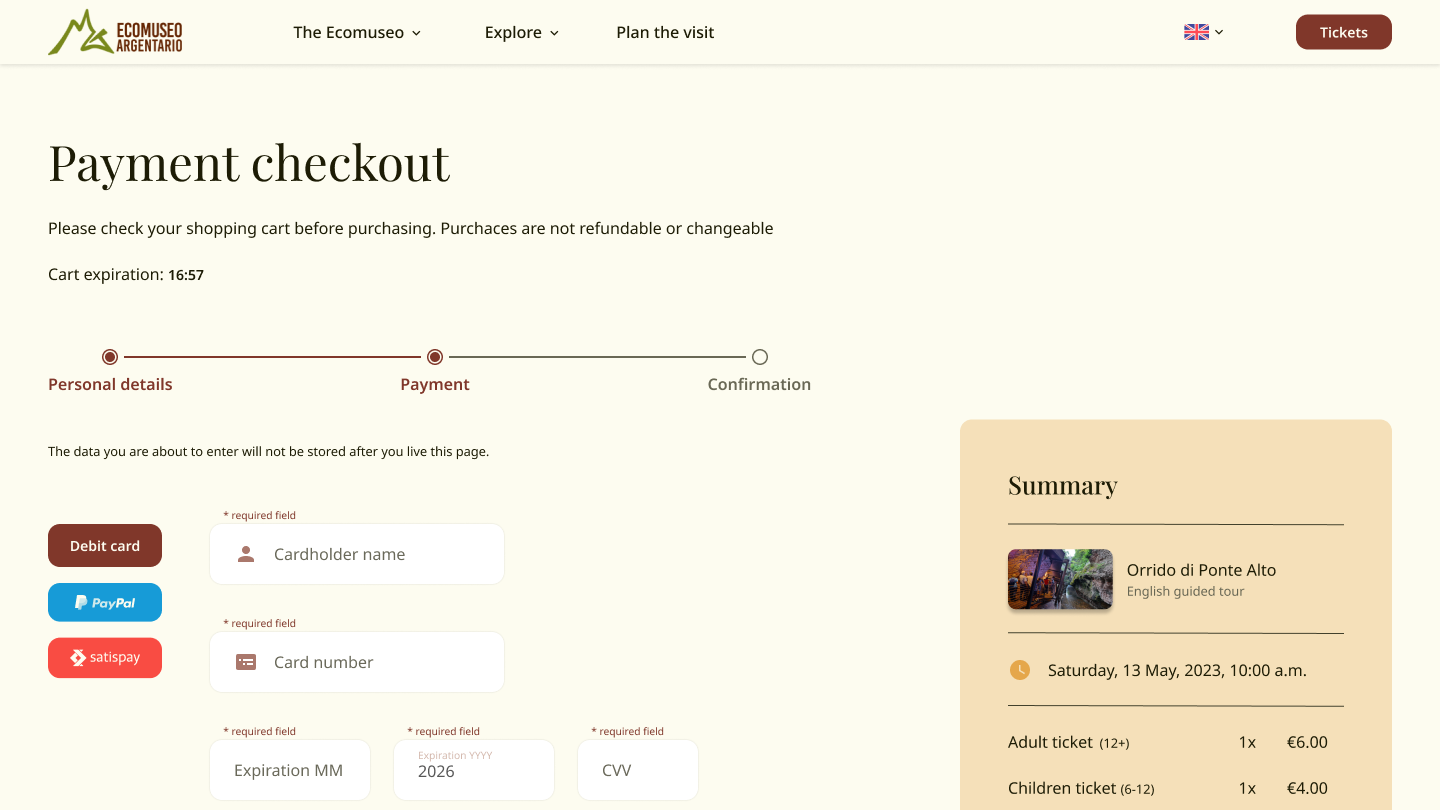
The project was a real-world case study aiming to consolidate multiple museum websites while ensuring that each museum’s unique brand identity is preserved. The prototype was limited to two museums, mainly focusing on the visual design.
Design process
A quick Double Diamond approach was followed.
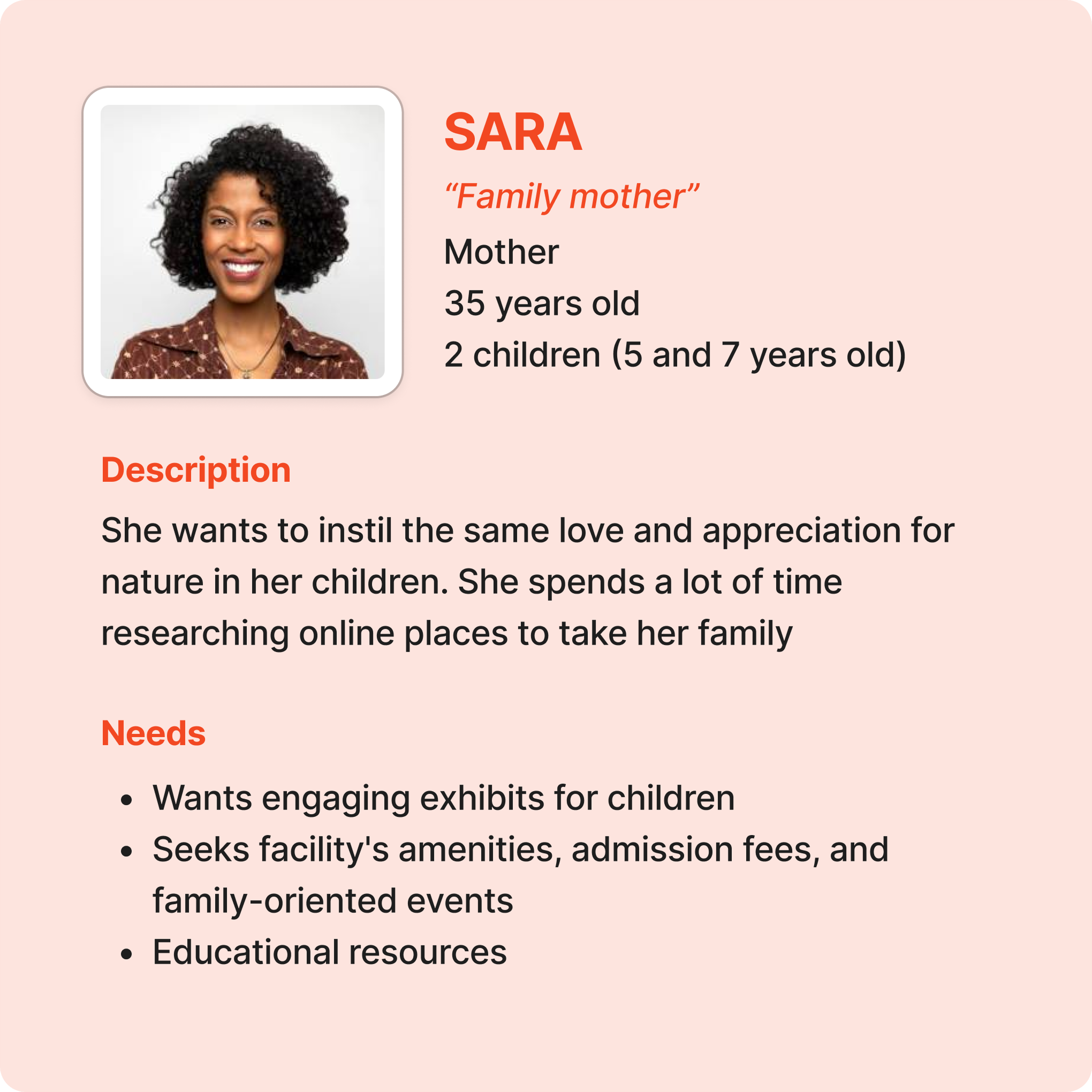
The team began with stakeholder interviews, benchmark analysis, and interaction research to gather more knowledge on the domain. In terms of UX, the gathered insights can be summarized through the user personas:

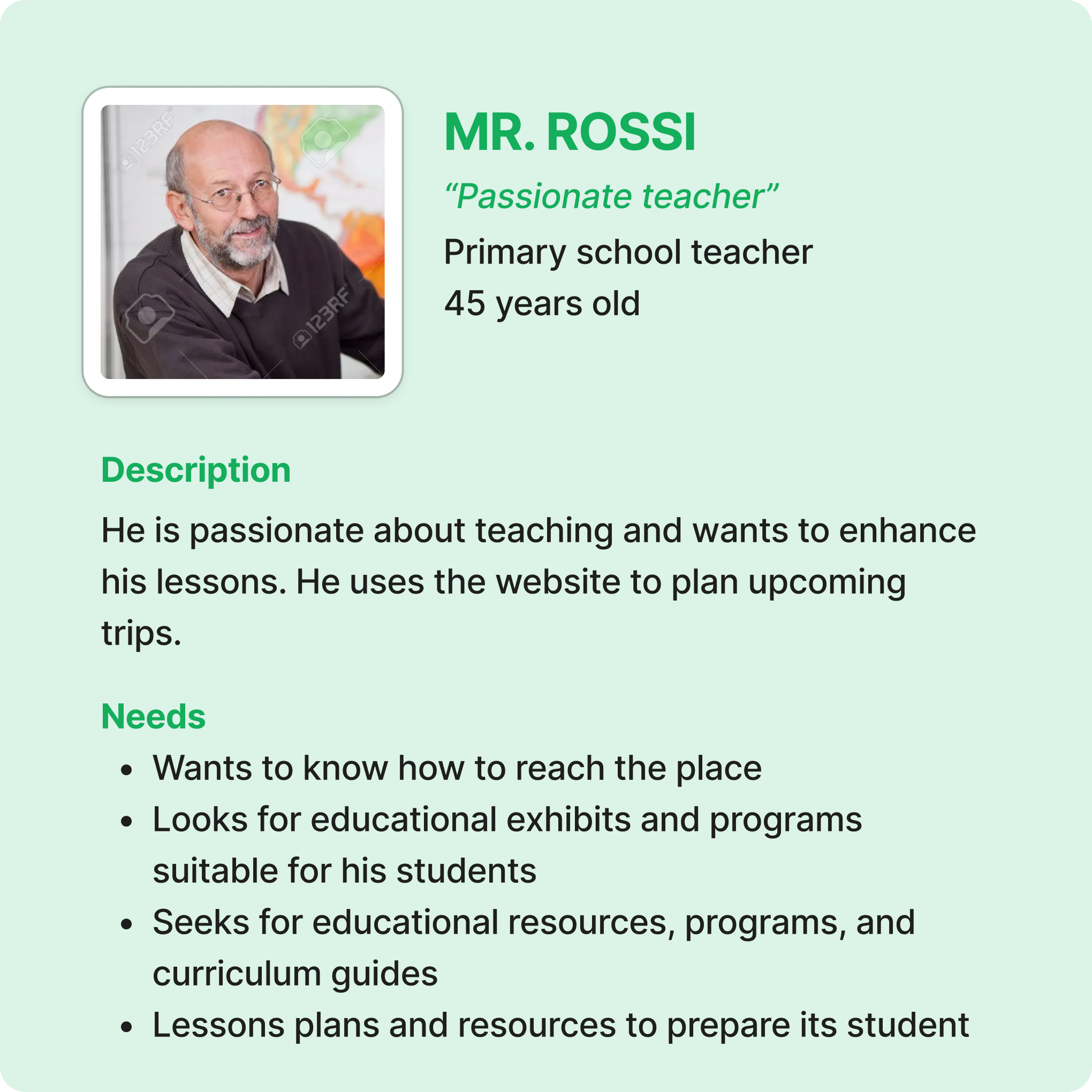
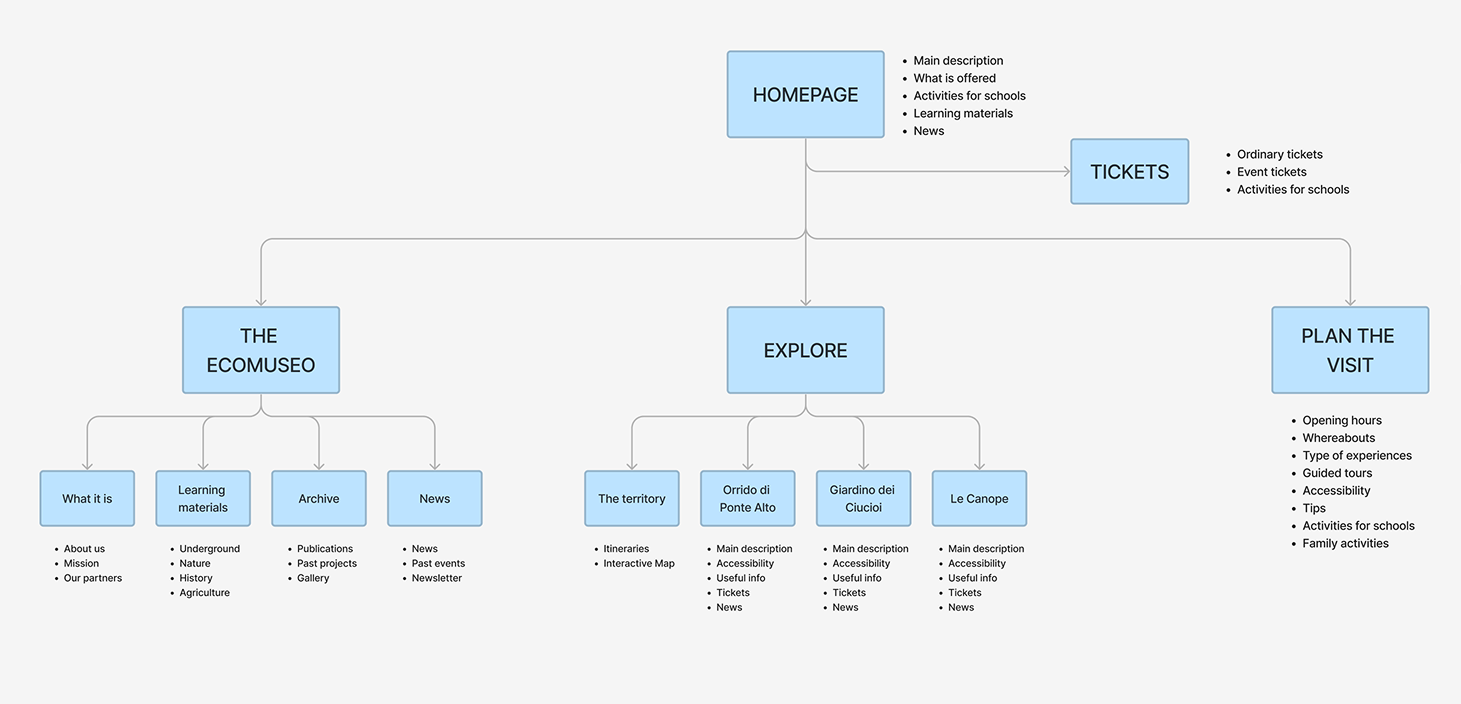
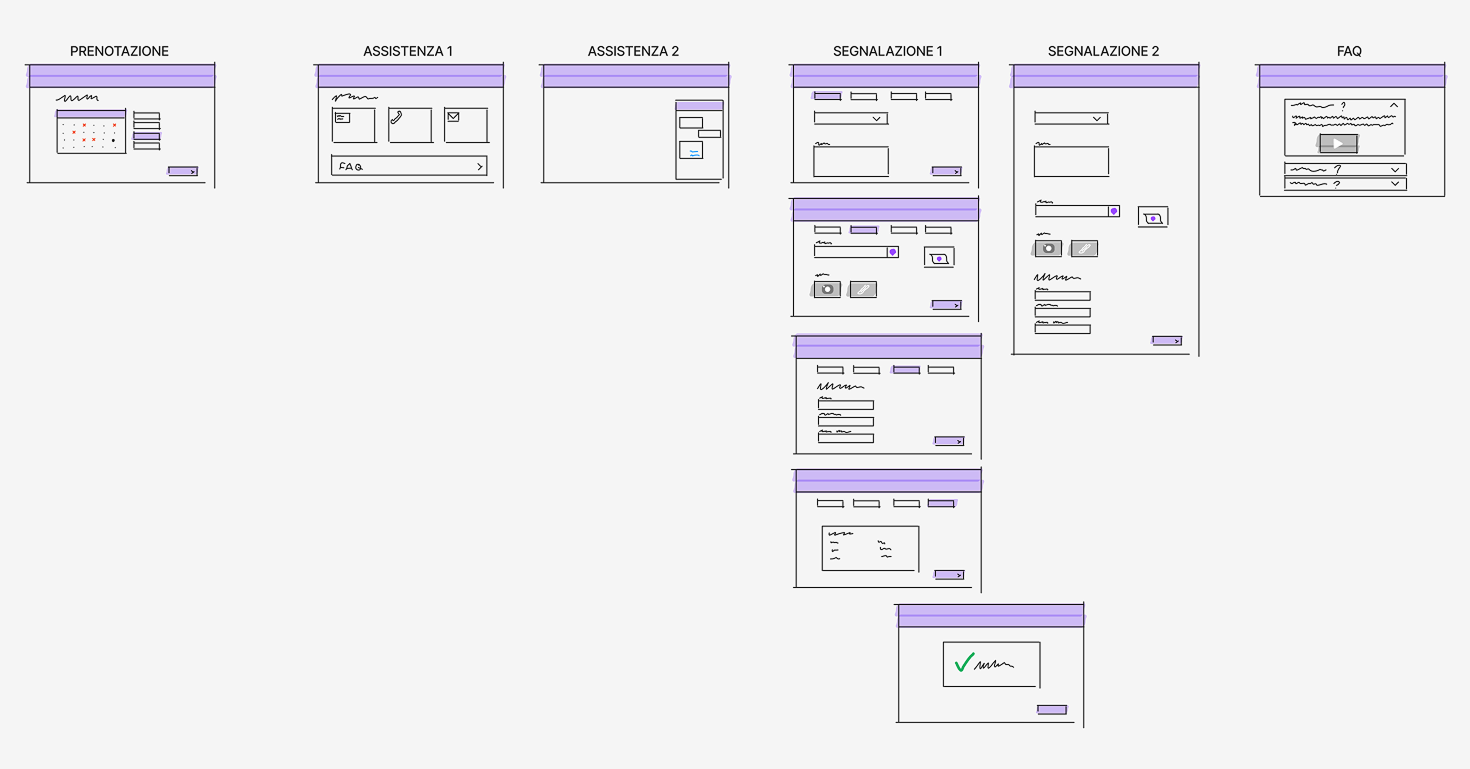
These results led to the the first definition of the UX of the website, represented by sketches and a taxonomy graph. Moreover, a comprehensive multi-brand design system is created to fit the requirement.
Finally, mock-ups and an interactive prototype were built and tested with users to refine the solution.
Final result
User personas were instrumental in shaping the design, summarizing insights related to internationality, family and school discounts, resources, and information required.
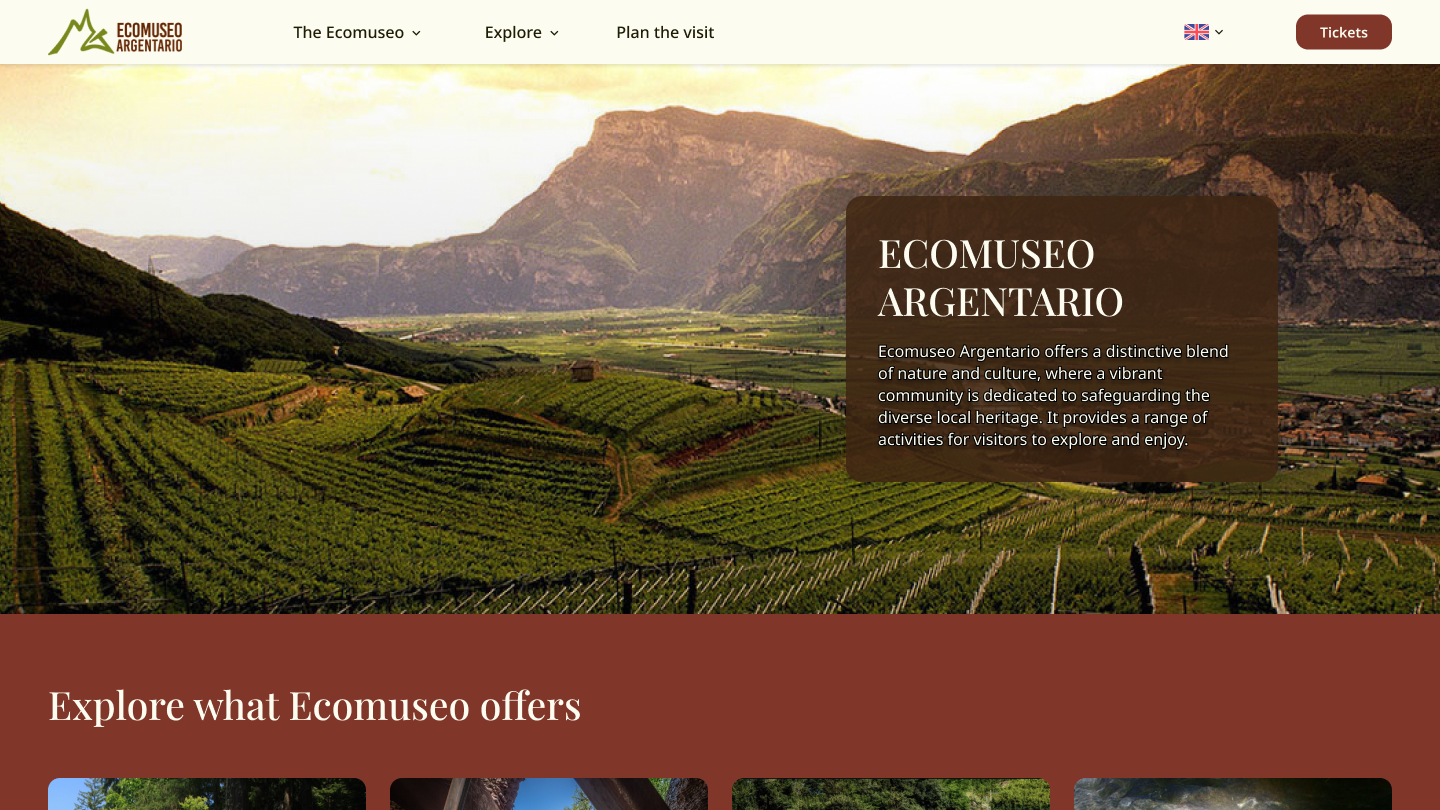
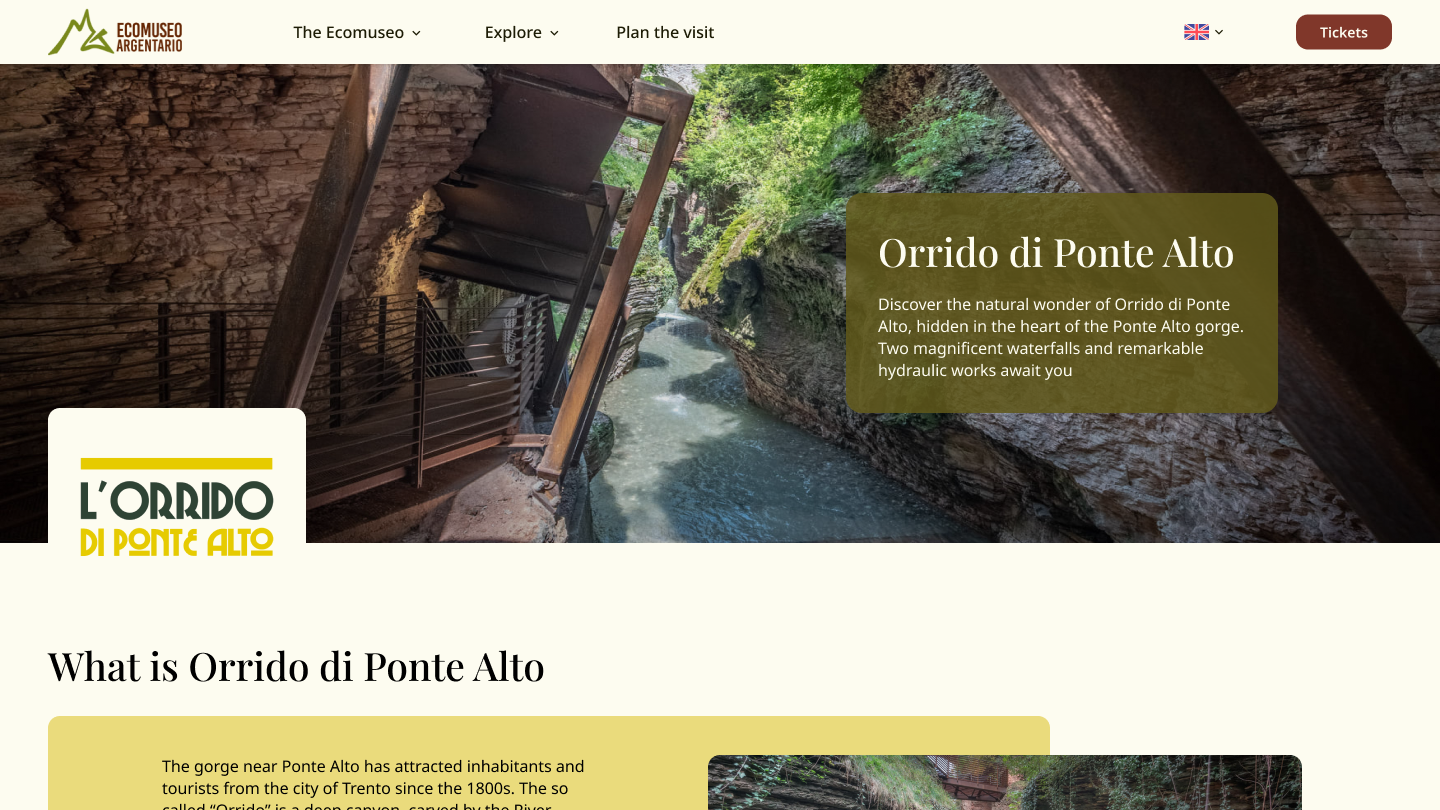
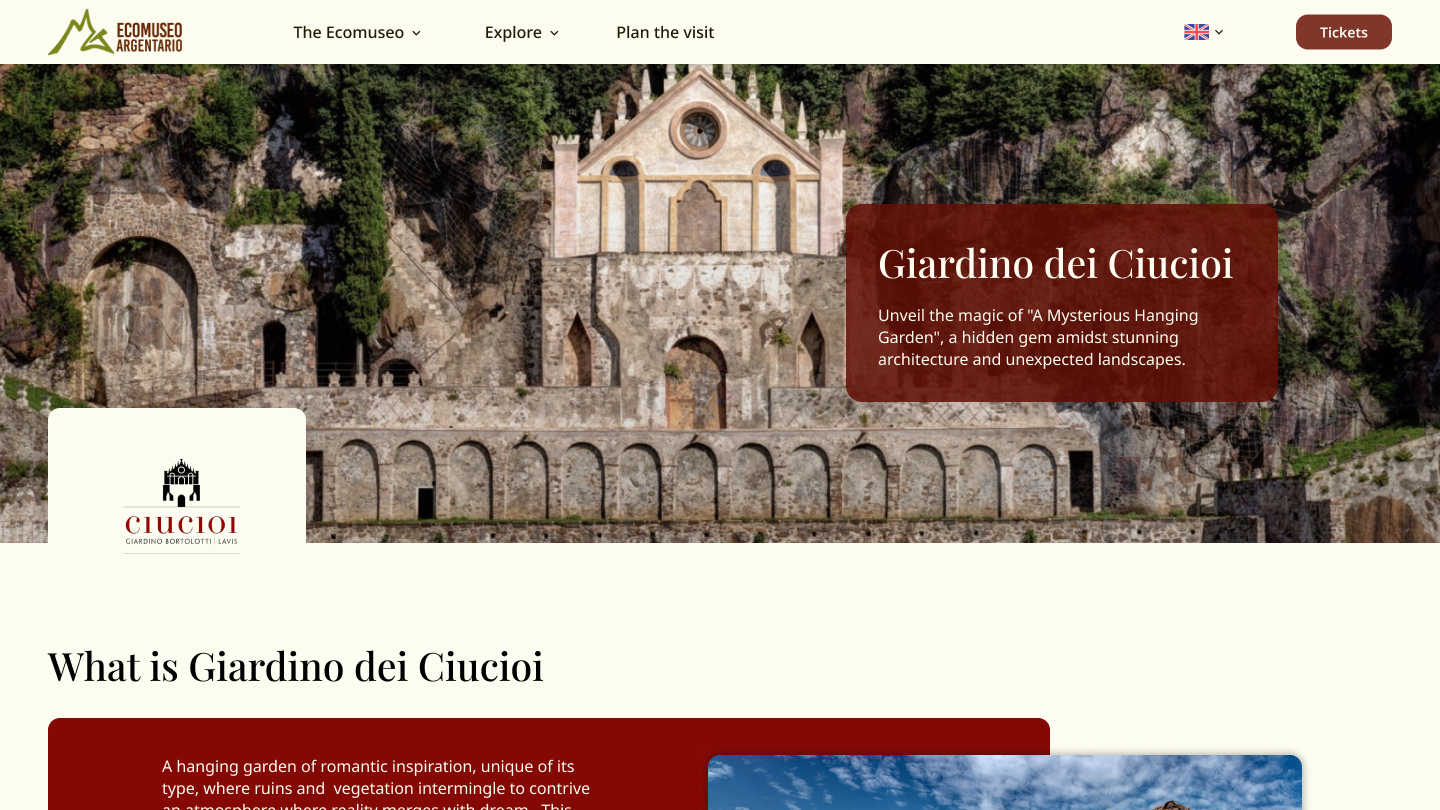
The final design consisted of three sections on the website: a shared homepage for general information and one dedicated sub-page for each museum.
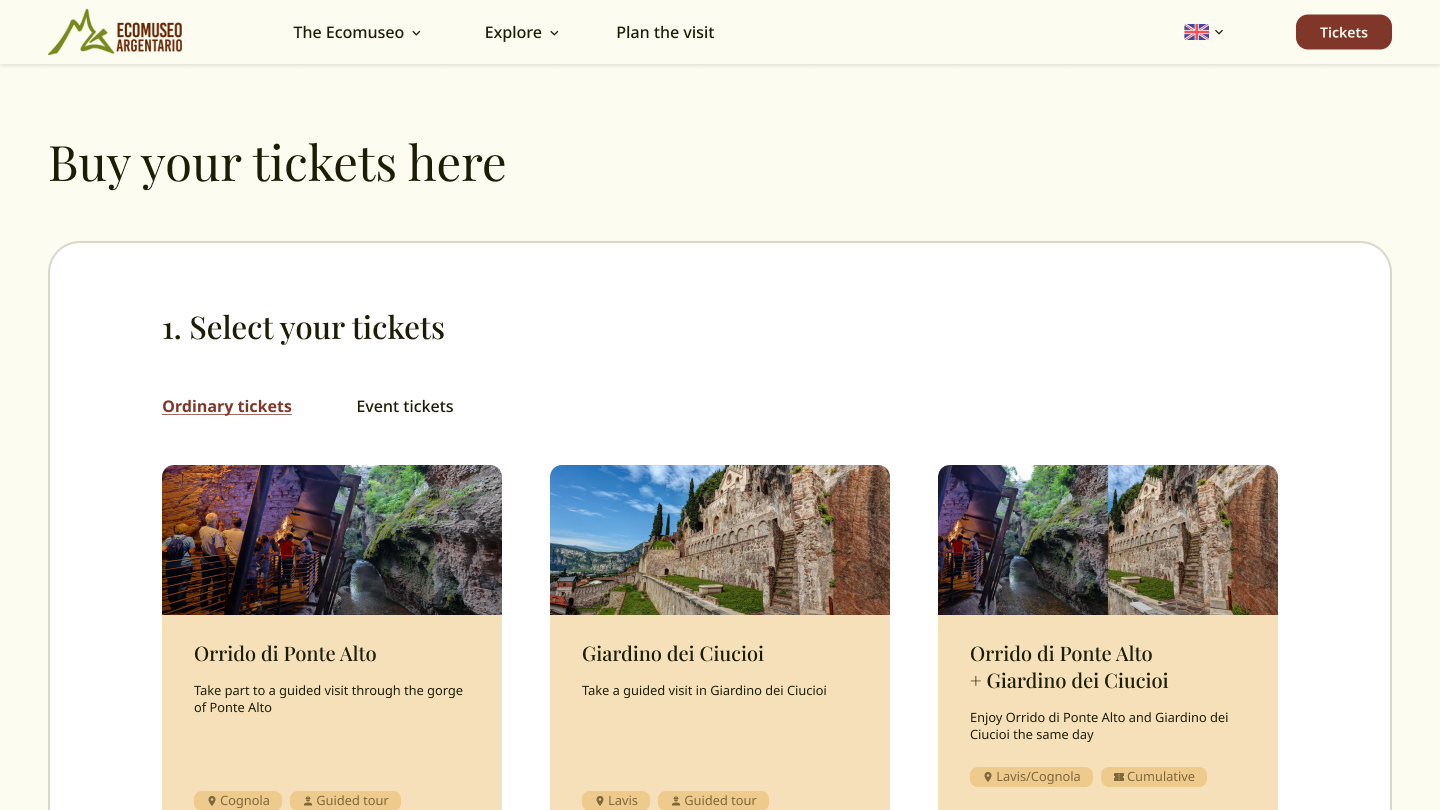
- The museum-specific pages provided detailed descriptions, including practical information like timings, accessibility, group sizes, and ticket types.
- The general section offered an overview of the area, redirecting users to the museums’ sub-pages and highlighting news and events.
Consistency was achieved across the platform through cohesive design elements such as shared navigation, identical top bars, and a unified footer. While colour schemes reflected each museum’s identity, the layout remained uniform, ensuring a seamless experience for users.